Creative Direction
How to Build an Editorial Treatment That Works
A clear visual brief aligns styling, lighting, and hair before the crew arrives on set.
Words by XAVIE MAXIMUS Editorial · 13 September 2026
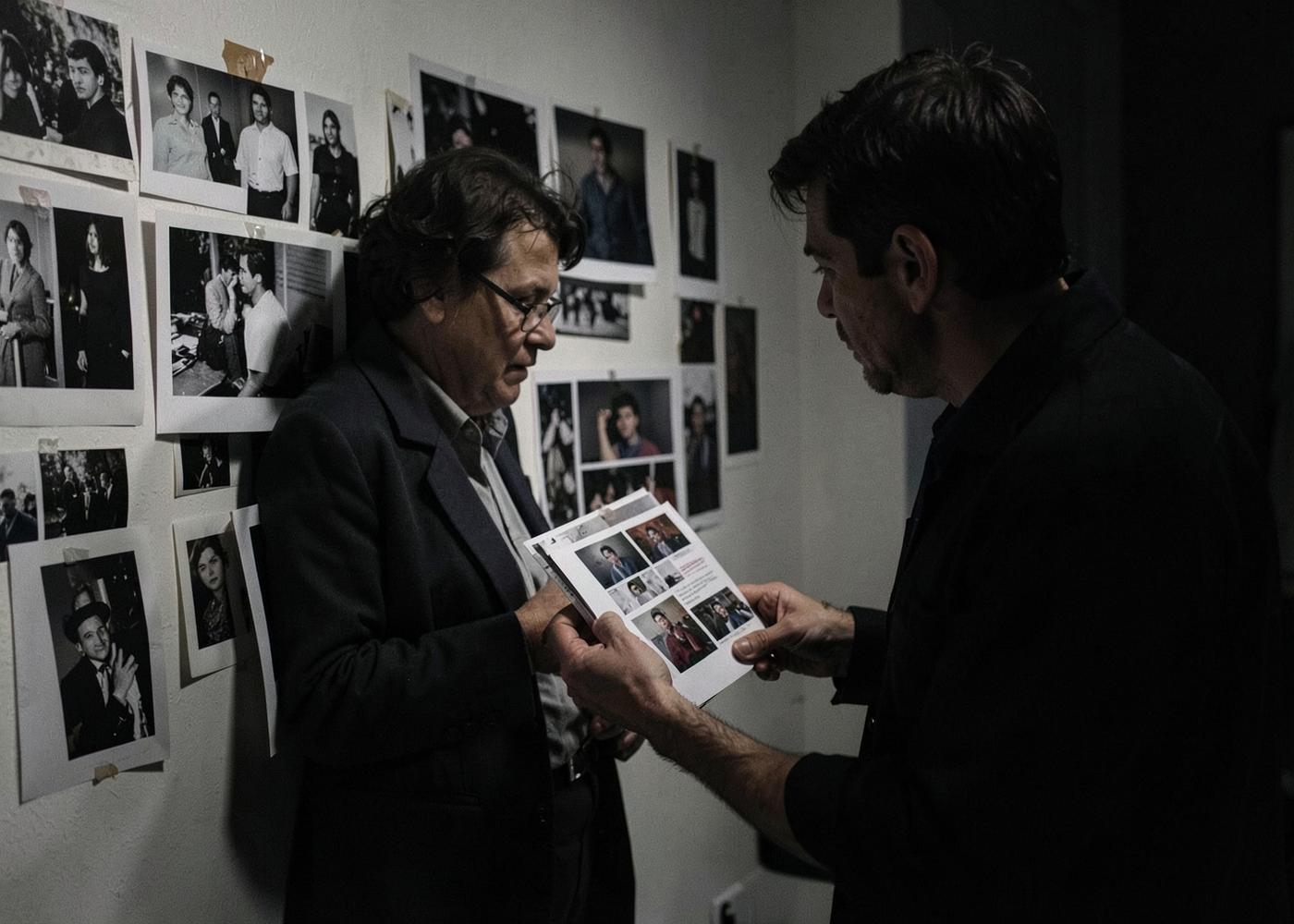
An editorial treatment is not an archive of every evocative image collected over six months. It is an operational document designed to translate an abstract visual concept into actionable boundaries for an entire crew. When an editorial production falters during the first two hours of shooting, the problem is rarely technical competence. It is almost always ambiguity in the brief. Two crew members can look at the same broad mood board and imagine entirely incompatible lighting setups, silhouettes, or skin finishes. A rigorous treatment eliminates that friction before anyone loads a kit bag.
Begin with a concise statement of intent. Three to four sentences are sufficient to define the narrative premise, the emotional temperature, and the physical environment. If the setting is an austere interior, state whether the feeling is clinical or domestic, quiet or confrontational. Define the character rather than just the casting profile. Avoid poetic filler that offers no practical guidance. Every department head—from wardrobe to hair—reads this opening summary to understand the boundaries within which their individual craft must operate.
The visual reference section requires strict discipline. Group your references by department rather than presenting a chaotic collage of finished images. Provide three distinct images for wardrobe silhouette, fabric texture, and color palette. Provide separate, precise references for beauty, making sure the hair texture and skin finish are visible under lighting conditions similar to what you plan to shoot. Do not mix hard direct flash references with soft north-light portraiture in the same section unless the editorial explicitly shifts techniques between looks. When independent [Creatives](/creatives) gather on set without prior history together, consistency across your reference deck establishes immediate trust and collective focus.
Structure the shot progression to reflect the narrative rhythm of the final story. An eight-look fashion story cannot sustain seven identical medium-close crops, nor should it jump erratically between high-energy movement and static contemplation without reason. Lay out the proposed sequence look by look. Note the key garment or focal point for each frame, the framing distance, and whether the image functions as an establishing full-length shot or a detail-oriented study. This discipline demonstrates to commissioners that you understand pacing and layout, a quality that editors immediately look for when reviewing pitches and portfolio work through editorial [Opportunities](/opportunities).
Technical parameters belong in the document, not just in casual phone conversations. Specify lighting direction, background tones, crop ratios, and whether the final output will be presented in monochrome or color. If the color grade relies on muted highlights and saturated shadow tones, include a dedicated grading reference so the makeup artist can adjust foundation undertones and the stylist can steer clear of conflicting fabric dyes. Precision in prep prevents awkward corrections on set that consume valuable shooting time and compromise the dignity of the subjects in front of the lens.
Circulate the completed treatment at least forty-eight hours before call time, attached directly to the production schedule and call sheet. Encourage direct feedback from department heads, allowing them to flag logistical constraints, prop requirements, or sample limitations well before equipment is unloaded. Clear visual direction also establishes shared ownership of the finished piece. When everyone understands the shared goal from the outset, the collaborative atmosphere remains respectful, professional, and properly credited across every discipline, reflecting the standards detailed in [Credits Are Not Optional](/editorial/credits-are-not-optional).
When you eventually conclude post-production and prepare to [Submit your work](/submit) for publication, the integrity of a well-conceived treatment will be visible in the cohesion of the submission. A unified sequence of images always stands apart from a loose collection of disparate photographs. By treating the initial brief as a functional blueprint rather than mere decoration, you protect the crew from confusion, honor the creative brief, and deliver work that holds its value across time.
Related Stories
All editorial
Creative Direction
Credits Are Not Optional
A picture is made by a group and published under one name. The credit line is where that is corrected.
Photography
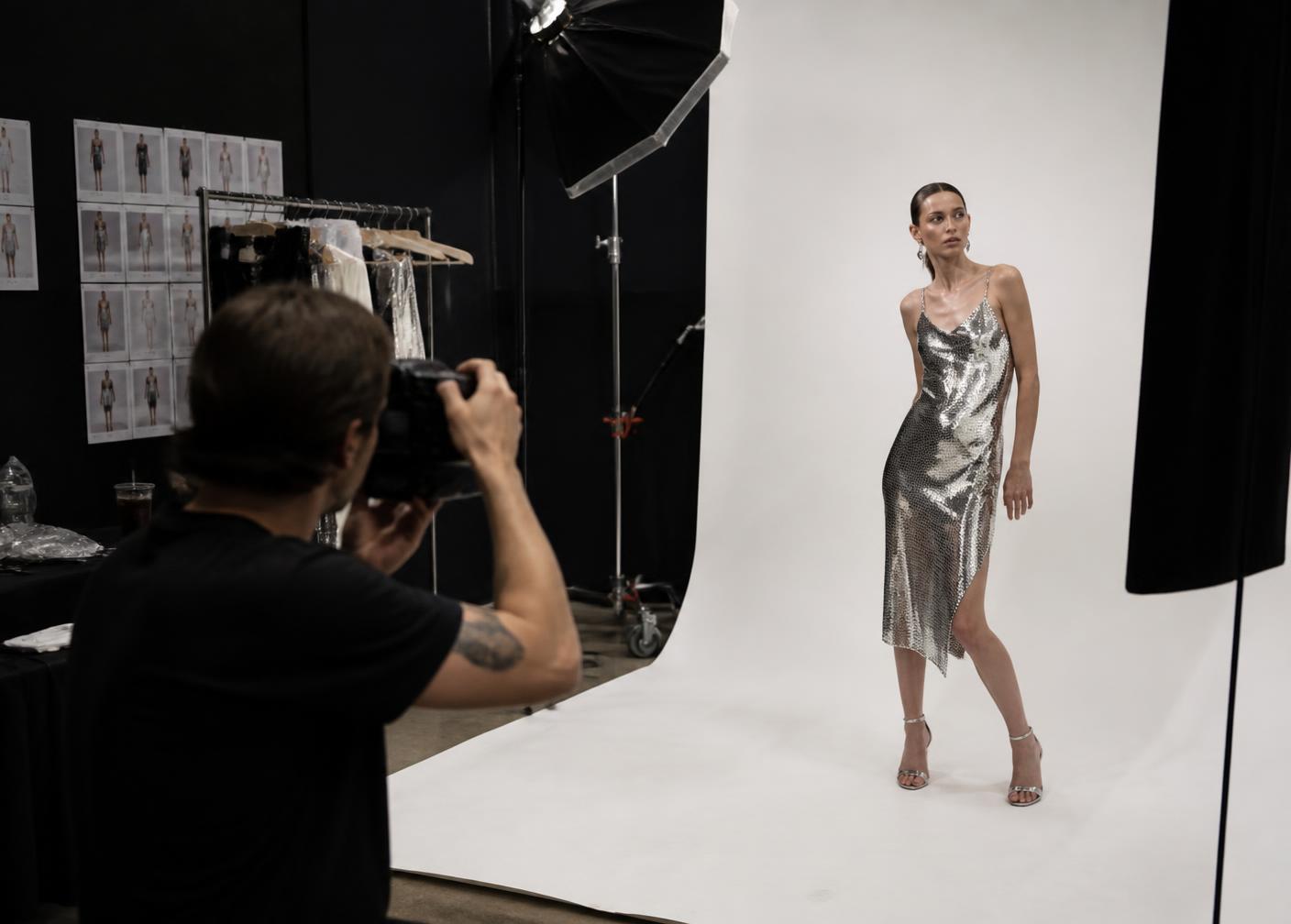
In the Studio: The First XAVIE MAXIMUS Sitting
Our first in-house sitting: one set, one lens, and a credit list published in full.

Fashion Week
Fashion Week Spring/Summer 2027: The Calendar, City by City
Four cities, twenty-six days. Here is the Spring/Summer 2027 womenswear calendar as published by each official organising body, with the links you should check before you plan anything.