Photography
Using Negative Fill to Shape Available Light
Why subtracting light on location often does more for structure and garment texture than adding another fixture.
Words by XAVIE MAXIMUS Editorial · 22 September 2026
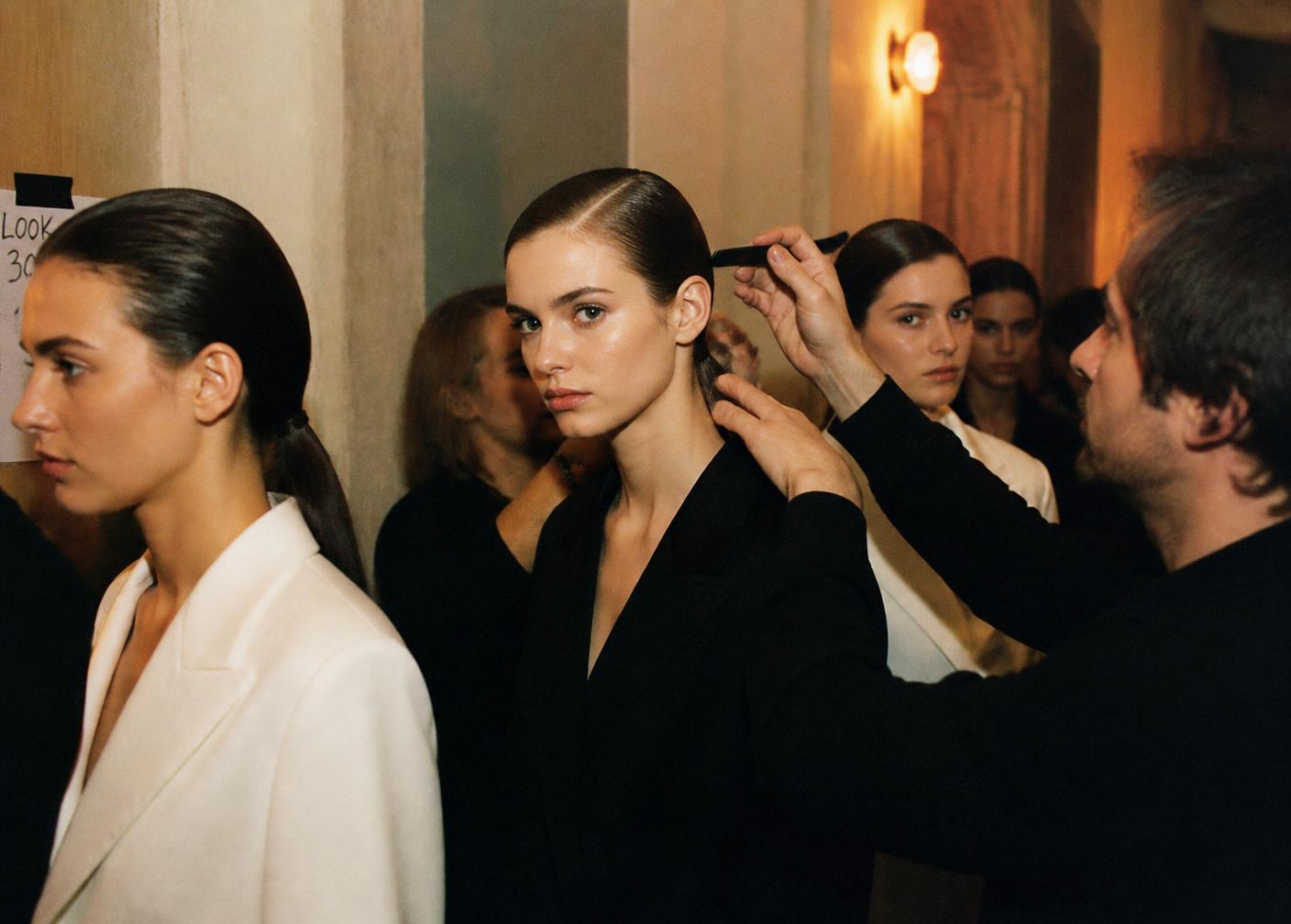
When photographers struggle with a flat, lifeless frame on location, the reflexive impulse is often to introduce another head, rig a softbox, or dial up an off-camera strobe. Yet on daylight interiors and open exterior sets, the primary obstacle is rarely a shortage of light. More often, the problem is uncontrollable bounce. White walls, low plaster ceilings, pale pavements, and reflective sand flood every shadow with diffuse light, filling in the natural valleys of the face and dissolving the tactile weave of clothing.
Negative fill is the deliberate practice of subtracting that ambient contamination. By placing dense, light-absorbing materials close to the subject, you prevent stray bounce from returning into the shadows. The result is immediate structural depth: jawlines regain their separation, the bridge of the nose casts a clean contour, and deep tones in styling do not wash out into gray.
The mechanics of negative fill depend on proximity and scale. A common error on location is placing a single two-by-three solid flag five feet away from the talent and expecting visible falloff. Inverse square laws govern absorption just as they govern emission. If you want to carve contrast into a model's cheekbone or keep the unlit side of a dark wool overcoat rich and defined, an eight-foot solid or black poly board must sit just outside the edge of the active crop. The closer the black surface sits to the subject, the more effectively it suffocates unwanted spill.
In open daylight interiors, overhead bounce is particularly destructive. Sky spill through large industrial windows or low white ceilings scatters light downwards, creating milky skin tones and washing out eye sockets. Suspending a solid duvetyn cutter or a black foamcore sheet above the model instantly restores the brow bone and brings focused contrast back to the iris. When shooting wider frames where rigging an overhead solid is impractical, angling two black V-flats on either side of the camera position can prevent the surrounding room from acting as an accidental spherical fill.
Fabric rendering is where subtraction matters most for an editorial team. Designers and stylists select textiles for their hand, drape, and surface sheen. When ambient spill fills every corner of a garment, fine tailoring details such as pick stitching, pleats, and directional weaves disappear on the sensor. Placing negative fill on the camera-left or camera-right axis creates the localized micro-contrast necessary to show the difference between heavy twill, silk crepe, and raw denim. Without deep shadows, high-end garments appear two-dimensional on the page.
Evaluating the effect of negative fill requires disciplined monitoring. Back-of-camera screens, especially in bright exterior conditions, amplify perceived contrast and mislead the eye. A subtle three-stop falloff on the shadow side might look pitch-black on an unshaded LCD screen, causing the team to pull the solid away prematurely. Checking raw exposure curves through a dedicated workstation, as outlined in our guide to tethered shooting and file discipline on location, ensures you are retaining shadow detail in the raw data while keeping the midtone separation crisp.
Managing negative fill also influences how you position your talent. When an image relies on subtracted light rather than an overpowering flash to establish contrast, the subject's relationship to the light source becomes much more critical. As discussed in our overview of directing movement on an editorial set, even a slight quarter-turn of the shoulders can swing a look from dramatic side-light to total ambient wash. Photographers looking to refine their location craft and expand their portfolio can review current production requirements through the ZMRL Open Call: Photographers for Editorial Features.
Learning to see what to take away, rather than what to add, separates mature lighting technicians from gear-heavy productions. Black velour, solid pop-up discs, and foamcore boards carry virtually no electrical overhead and require no batteries. Before unbagging a second head or pushing your key light higher, look at the surfaces bouncing stray rays into your shadows, put a solid in their path, and let subtraction do the work.
Related Stories
All editorial
Photography
Tethered Shooting and File Discipline on Location
A practical guide to cable management, session structure, and on-set backup routines for location fashion photography.
Photography
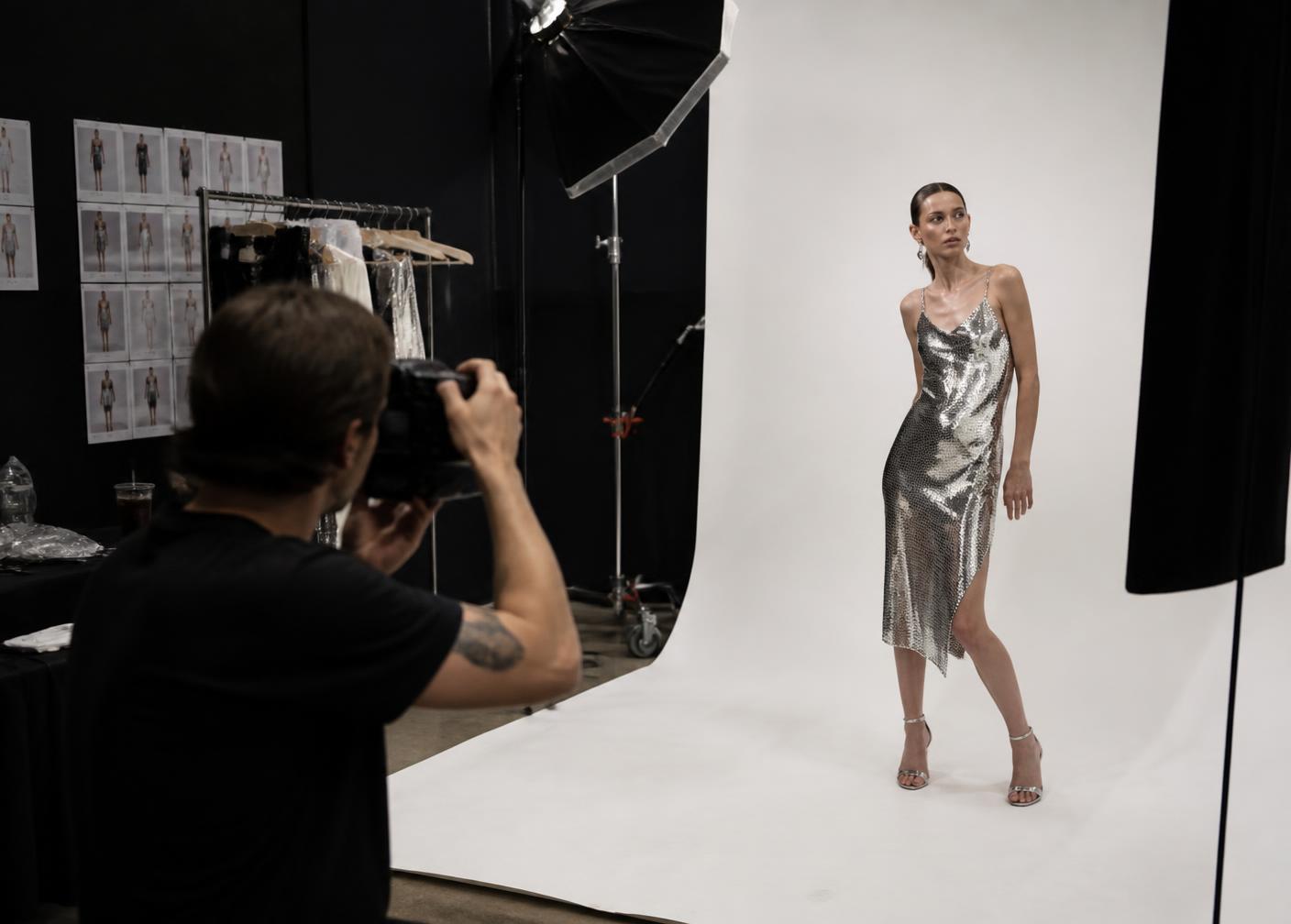
In the Studio: The First XAVIE MAXIMUS Sitting
Our first in-house sitting: one set, one lens, and a credit list published in full.
Photography
A Portfolio That Travels
A portfolio is an argument, not an inventory. How to build one that survives a thirty-second look on a phone.