Fashion Week
Working Backstage During Fashion Week
A practical guide to space, timing, and professional conduct behind the runway.
Words by XAVIE MAXIMUS Editorial · 15 September 2026
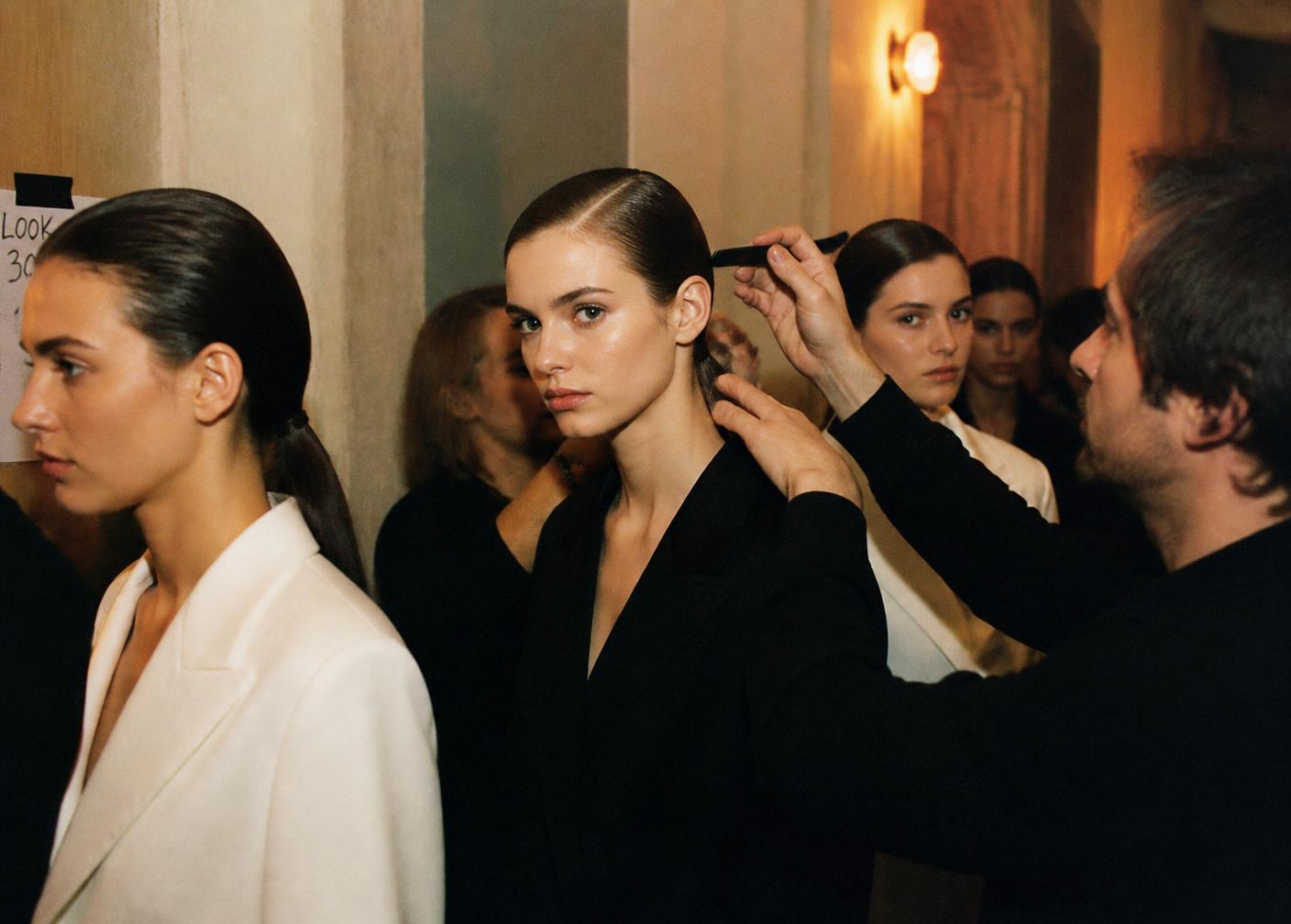
The backstage environment is not a studio. It is a high-density, temporary production facility where multiple departments execute simultaneous tasks on strict countdown clocks. For independent photographers, beauty assistants, and production runners entering a runway venue, the primary operational challenge is rarely creative vision; it is spatial discipline. Understanding how to navigate the space without disrupting the production line determines whether you remain welcome in the room.
Preparation begins long before arriving at the venue. Access passes and call times dictate physical entry, but your gear footprint dictates your actual mobility. Backstage corridors and staging tents are inevitably narrower than expected. A photographer moving through hair, makeup, and dressing areas should strip down to a single camera body, a fast prime or compact zoom lens, and a shoulder harness. Bulky rolling cases and light stands left in transit pathways create genuine hazards for dressers transporting multi-look garments. If you cannot carry your entire setup on your body while keeping both hands free to yield space, you are carrying too much.
Timing dictates access. The backstage lifecycle moves in distinct operational phases: preliminary setup, hair and makeup execution, the first look run-through, dressing, lineup, and showtime. During early beauty calls, artists establish the season's look and test textures under portable lighting. This is often the quietest window for environmental portraits or close-up documentation, provided you respect the artist's eyeline and station perimeter. As explored in Skin First, beauty teams focus on fine detail and skin finish that require clear light and uninterrupted focus; blocking an artist's mirror or casting hard shadows over their station will quickly close down your access.
The dressing area is governed by strict boundaries. Unless you are specifically credentialed as a dedicated documentarian with explicit clearance from house production, cameras must remain pointed away from changing screens and quick-change areas. Models change rapidly under the supervision of dressers, and privacy must remain absolute. High-level runway production relies on trust, and compromising that trust by raising a lens in a private changing bay is the fastest way to forfeit credentials across the entire circuit. Keep your coverage focused on finished looks in common staging zones, the lineup board, and the quiet moments before the walk.
Communication backstage is non-verbal and lateral. Floor managers and stage directors carry headsets for a reason; their spoken instructions are timed to cues from the front of house. Do not interrupt a production manager to ask for portrait poses or lookbook clearances during final lineup. Instead, position yourself where the natural flow of movement delivers the subject into your frame without requiring them to break pace. If a model is called to the board for polaroids or lineup checks, stand clear. You are documenting the show's preparation, not directing it.
Post-show protocol is just as demanding. When the finale walk clears and the runway empties, the dressing area experiences an immediate rush of de-rigging, packing, and rapid transit. Capture what you need in the immediate minutes after the walk, then clear the operational floor so logistics teams can pack trunk cases. Reviewing raw files while leaning against a garment rack delays everyone trying to strike the room. File delivery timelines for Fashion Week coverage are measured in hours, making efficient off-site file management essential. For creatives compiling their seasonal coverage into A Portfolio That Travels, the discipline demonstrated in your handling of the room will show in the clarity and intimacy of the resulting images. When your edit is trimmed and sequenced, you can always Submit your work to editors who value clean, unobtrusive reporting from behind the curtain.
Related Stories
All editorial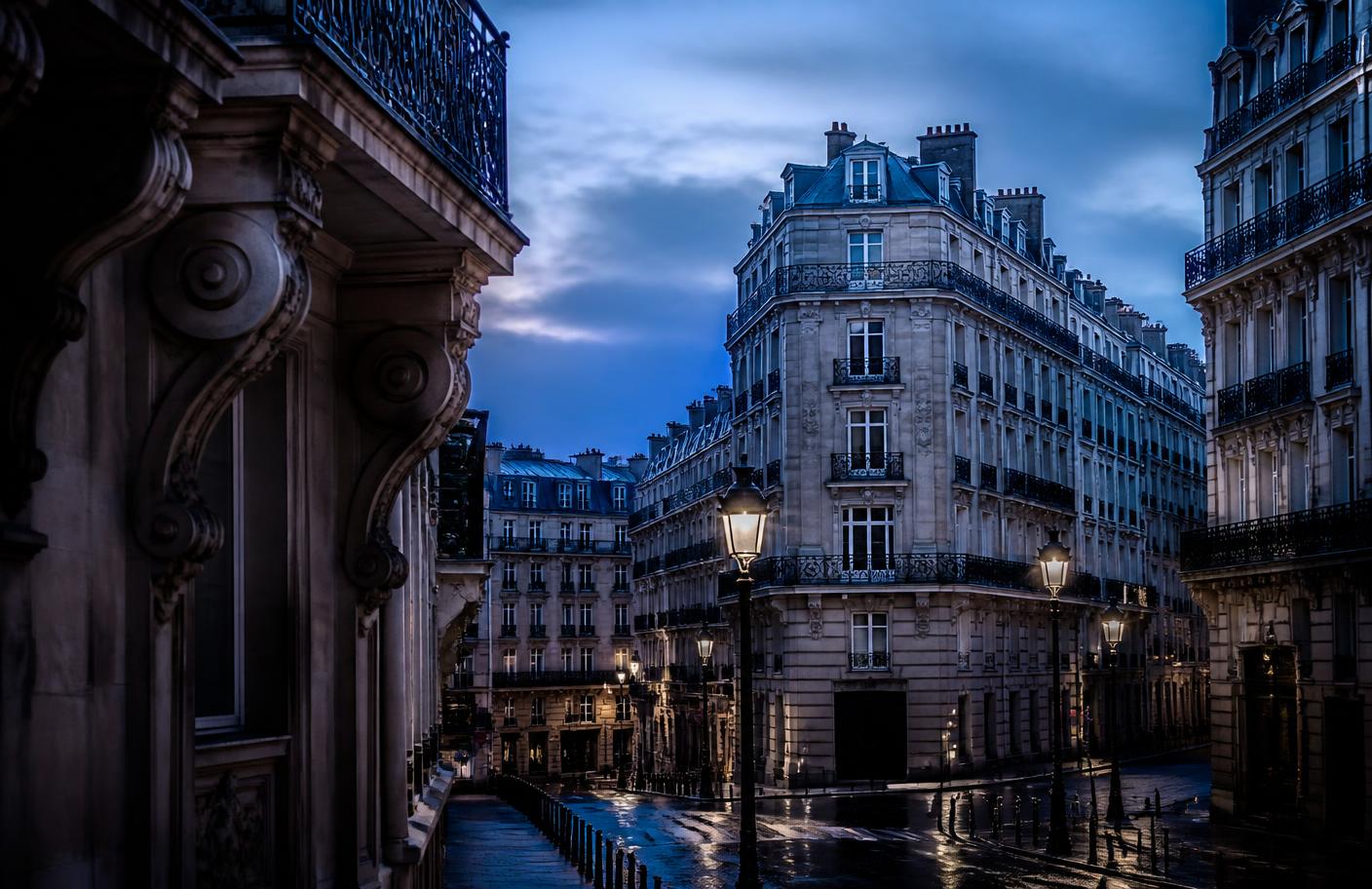
Fashion Week
Fashion Week Spring/Summer 2027: The Calendar, City by City
Four cities, twenty-six days. Here is the Spring/Summer 2027 womenswear calendar as published by each official organising body, with the links you should check before you plan anything.
Creative Direction
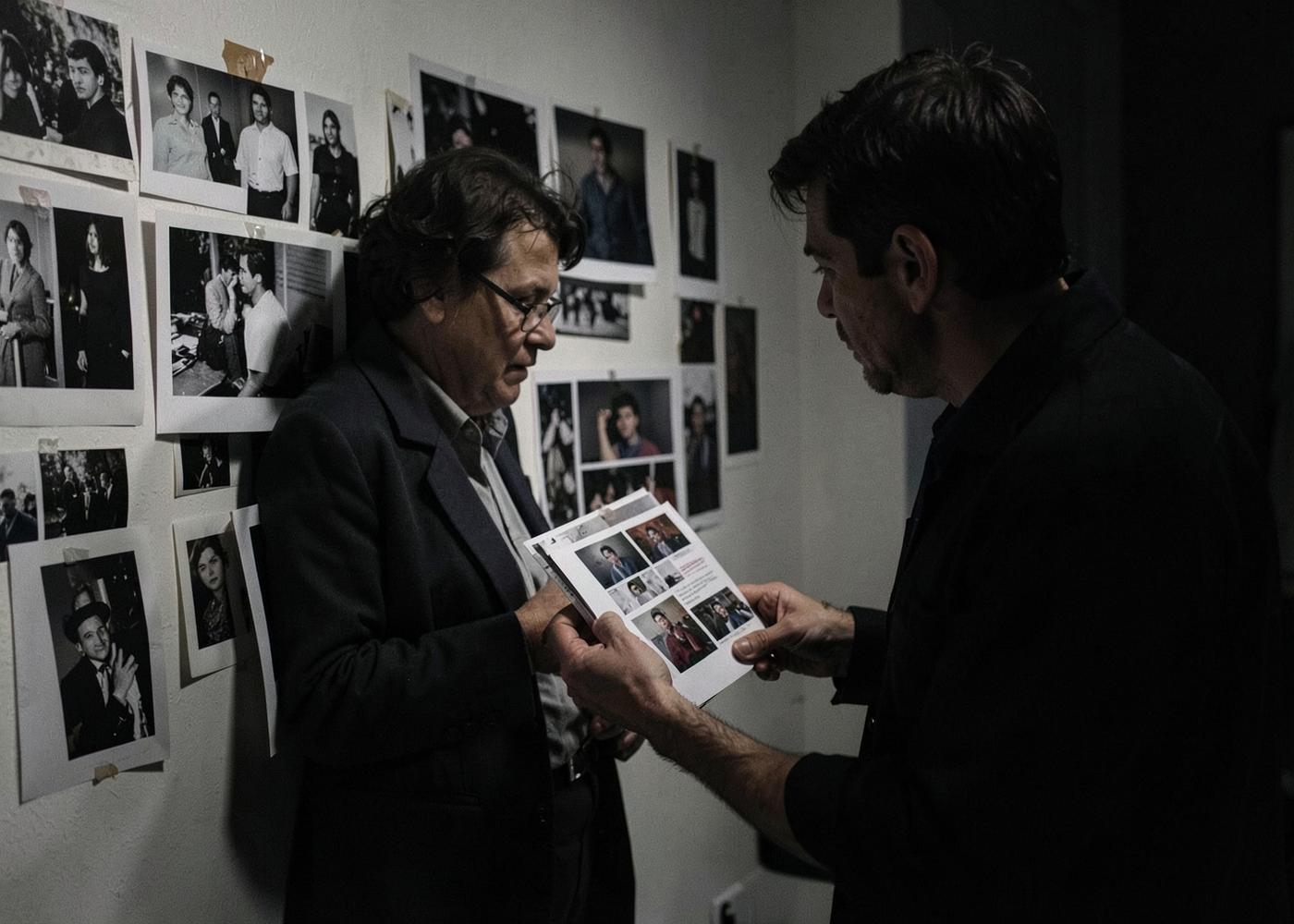
How to Build an Editorial Treatment That Works
Practical advice for creative directors and photographers on structuring a concise treatment that keeps editorial teams aligned from prep to delivery.
Photography
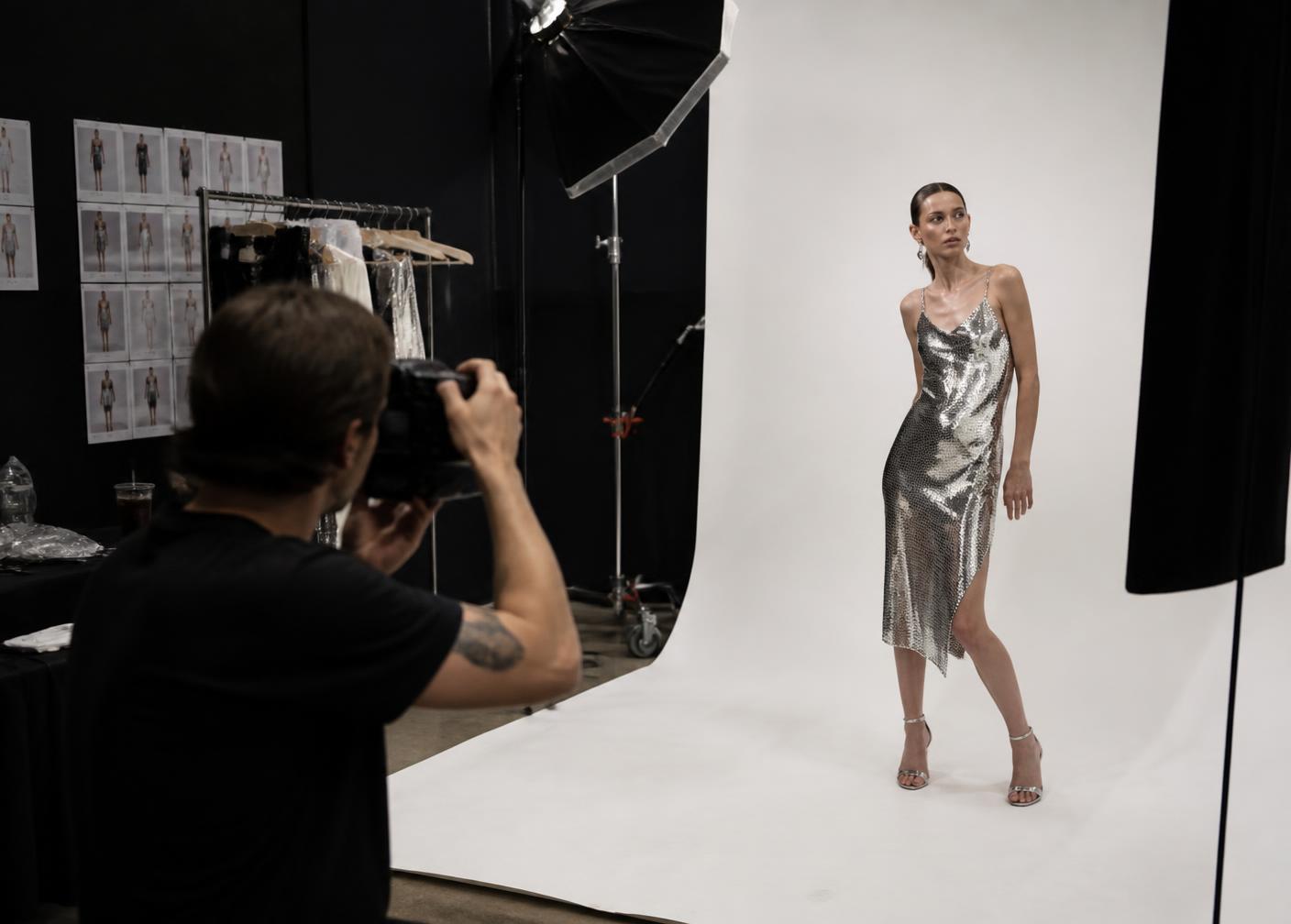
In the Studio: The First XAVIE MAXIMUS Sitting
Our first in-house sitting: one set, one lens, and a credit list published in full.