Creative Direction
How to Build an Editorial Call Sheet
A production document should establish clear expectations, realistic timings, and zero ambiguity on set.
Words by XAVIE MAXIMUS Editorial · 17 September 2026
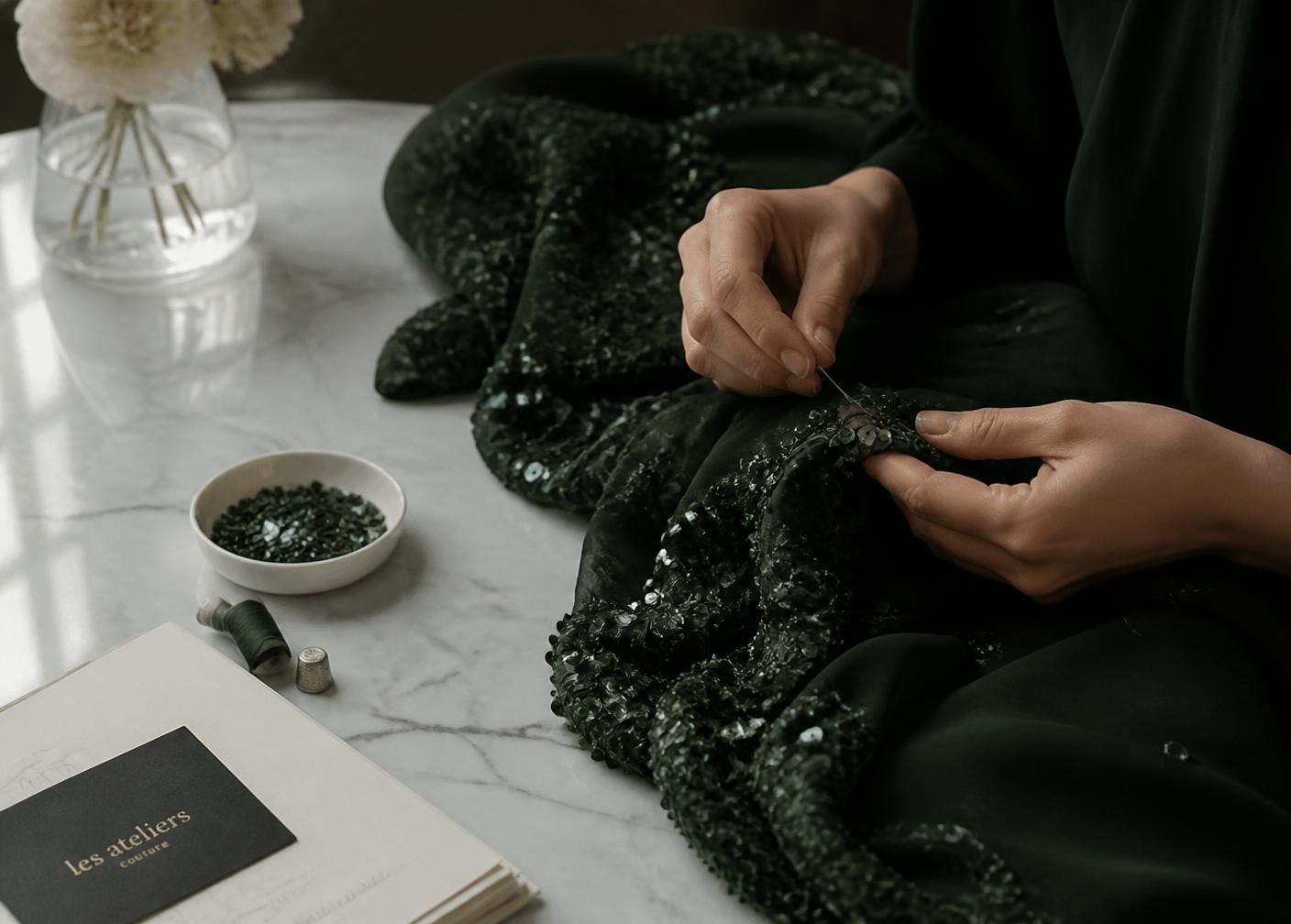
A call sheet is not simply a schedule. It is the operating agreement for a production day, translating weeks of pre-production into an orderly, accountable plan. When a shoot unravels, the breakdown almost always traces back to missing information, ambiguous roles, or unrealistic time allocations distributed the night before. Whether you are producing an independent project or coordinating an assignment for an established publication, building a disciplined document is fundamental to protecting the team's creative focus.
The foundation of every workable call sheet is accurate logistical data placed directly at the top. State the title of the story, the date of the shoot, the exact location address, and any specific access instructions. If the location is a private studio, include door codes, freight elevator rules, and parking instructions. If the shoot is on location, designate a primary meeting point with exact coordinates or landmark descriptions rather than an approximate street corner. Include local emergency services and the nearest hospital, along with weather contingencies and local sunset times if working with natural light.
Staggered call times represent the difference between an efficient set and an overcrowded, anxious waiting room. Models and wardrobe stylists rarely need to arrive at the exact same moment. Hair and makeup artists require uninterrupted preparation time before the first frame is captured. Bringing talent onto set two hours before wardrobe is steamed and lighting is balanced wastes energy and creates fatigue before shooting begins. Review your How to Build an Editorial Treatment That Works notes, measure how long complex hair or makeup transitions actually take, and schedule arrivals in logical tiers.
A realistic shot list must accompany the schedule, breaking down each look by its technical demands. Group looks by lighting setup, location pocket, or hair change rather than numerical order. Re-lighting a studio space or moving equipment across an exterior location consumes significant crew energy. By planning transitions so that lighting adjustments build incrementally rather than requiring complete overhauls between frames, you protect valuable shooting time. Note clearly which look requires complex styling adjustments and allocate appropriate buffers so the crew is never rushing through intricate details.
The personnel directory must be exhaustive and unambiguous. List every individual by full legal or professional name, functional credit, direct mobile telephone number, and email. Double-check all spellings against provided paperwork, because these names directly inform final publication credits. As we emphasize in Credits Are Not Optional, accurate attribution begins during production paperwork, not at the layout stage. If assistants, digital technicians, or production runners are on site, include their contact details so department heads can communicate across the set without constant central mediation.
Include clear notes regarding equipment, power capabilities, and wardrobe security. If stylists are managing valuable samples pulled under strict terms, as outlined in What an Editorial Pull Letter Actually Protects, the call sheet must specify designated prep spaces where garments can hang securely away from catering tables, heavy foot traffic, and makeup stations. Clearly specify catering delivery times, dietary notes, and wrapped storage areas.
Distribute the finalized call sheet between twenty-four and thirty-six hours before the earliest call time. Sending it earlier risks distributing outdated call times as logistics shift; sending it later leaves collaborators unable to organize travel, equipment prep, or kit packing. Ask for direct receipt confirmations from key department leads, ensuring everyone on your Creatives roster arrives on set with shared clarity, mutual respect, and the practical information needed to execute the story properly. Explore our Editorial archive for more production workflows.
Related Stories
All editorial
Creative Direction
How to Build an Editorial Treatment That Works
Practical advice for creative directors and photographers on structuring a concise treatment that keeps editorial teams aligned from prep to delivery.
Creative Direction
Credits Are Not Optional
A picture is made by a group and published under one name. The credit line is where that is corrected.
Industry
What an Editorial Pull Letter Actually Protects
A pull letter confirms an editorial commission, but understanding garment liability and loan terms protects stylists and productions before shoot day.