Industry
Managing Garment Samples on an Editorial Set
Essential protocols for protecting borrowed wardrobe, preventing damage, and maintaining showroom trust.
Words by XAVIE MAXIMUS Editorial · 20 September 2026
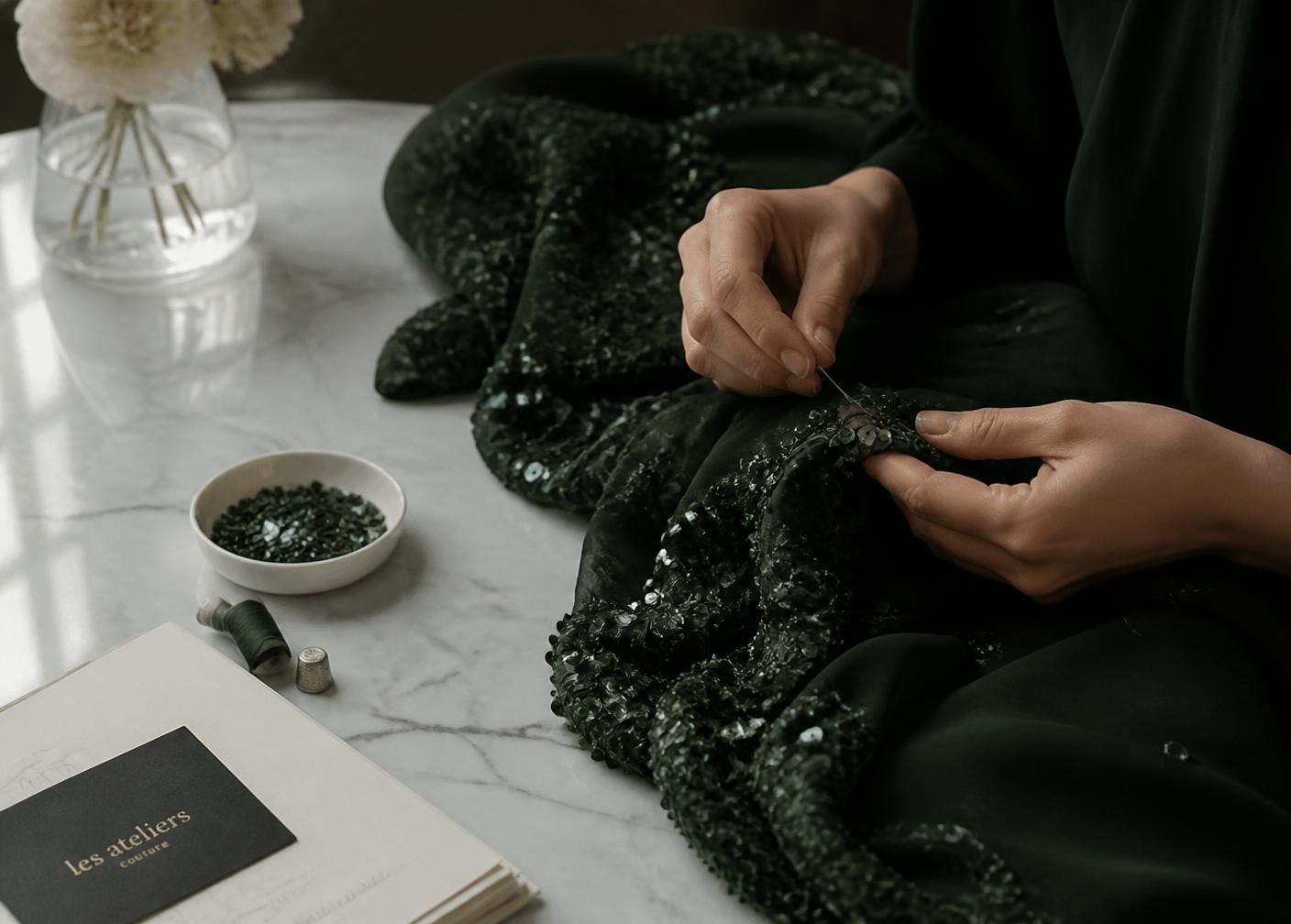
Every editorial wardrobe pull represents an agreement built on trust. When showrooms, independent designers, or press offices release garments, they do so with the expectation that those pieces will return in the exact condition in which they departed. A single foundation stain on an unreleased silk collar or a scored leather sole can terminate a stylist’s borrowing privileges with an entire showroom network. While creative ambition often commands the room, garment custody requires quiet, unwavering operational discipline. Handling samples with care is not merely the assistant stylist's chore; it is an active production protocol shared across the entire set.
The foundation of sample management begins before the call time, during check-in. As soon as wardrobe trunks and garment bags arrive on set, every piece must be unpacked, hung on proper hangers, and cross-referenced against the consignment sheet or showroom invoice. This is the moment to inspect each garment under clear light. Documenting pre-existing flaws—such as pulled stitching, faint discolorations, or loose fasteners—with a smartphone camera establishes an objective record before any talent dresses. As explored in What an Editorial Pull Letter Actually Protects, editorial agreements confirm intent and liability, but they do not absolve a team from proving that damage occurred prior to arrival. Communicating documented flaws immediately to the lender via email prevents disputes at the return counter.
Dressing protocols must be established early and enforced without exception. The sequence of hair, makeup, and wardrobe dictates sample safety. Garments should never be slipped on over a completed face without a barrier. A clean silk dressing hood, a sheer nylon face shield, or even a soft scarf placed over the model’s head prevents makeup transfer onto necklines and collars. When adjustments occur on set, makeup artists must step in with towels or shielding cards before touching up powder or contour. In tight production schedules, coordinating this routine between departments ensures looks transition cleanly, an essential practice detailed in Pacing Look Changes on an Editorial Shoot. Furthermore, food, coffee, and open beverages must be strictly banned from the wardrobe staging area and quick-change stations.
Fitting adjustments require restraint and the proper tools. Stylists must resist the urge to drive safety pins through delicate fibers like satin, chiffon, or fine knitwear, where punctures cause permanent thread displacement. Instead, use padded spring clamps, micro-stitch tools where appropriate, or loose hand-basting with soft cotton thread that can be snipped away cleanly without leaving tension marks. Footwear demands equal vigilance. The moment shoes emerge from their dust bags, apply masking tape, gaffer tape, or dedicated sole protectors to bottoms, ensuring tape edges are trimmed flush with sole contours. Even brief walking across painted studio seamless or clean floorboards can mar pristine calfskin outsoles.
Wrap begins the second a look is cleared by the photographer. Leaving repacking until the final call is a guaranteed path to misplaced accessories, crushed hats, and stained garments. The styling assistant should immediately inspect the cleared look, re-hang tailoring, fold knitwear with tissue paper to avoid hanger stretch, and return borrowed jewelry directly to labeled pouches. Logging pieces back into the original garment bags ensures that nothing is stranded on studio racks or left behind on location. For ambitious Creatives aiming to publish polished stories in Editorial sections, rigorous sample care is what transforms creative potential into professional longevity.
Related Stories
All editorial
Industry
What an Editorial Pull Letter Actually Protects
A pull letter confirms an editorial commission, but understanding garment liability and loan terms protects stylists and productions before shoot day.
Industry
How to Submit Your Work
Submissions open to everyone, read by people. A plain guide to what makes an editorial submission easy to say yes to.
Industry
Casting Calls: How to Spot a Real One
Around every season, fake castings multiply. A short, practical filter for anyone deciding whether to show up.