Beauty
Pacing Look Changes on an Editorial Shoot
How makeup and hair artists build an editorial sequence without exhausting the talent or the schedule.
Words by XAVIE MAXIMUS Editorial · 18 September 2026
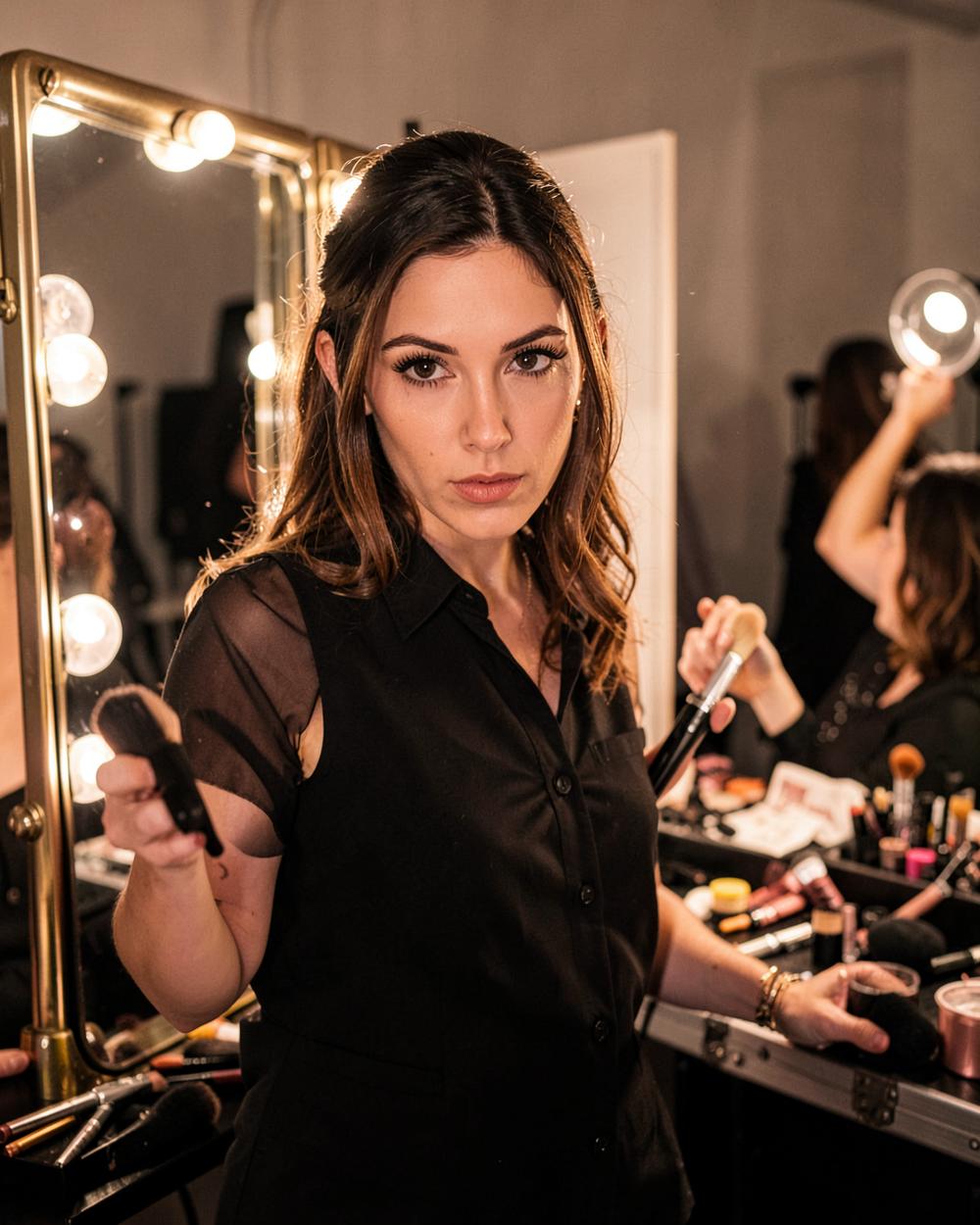
Every editorial story with multiple look changes contains a quiet technical risk. When an art director or stylist designs a moodboard that demands stark contrasts—a raw, minimal complexion in look one, followed by a dark stained mouth in look two, an architectural eye in look three, and wet hair across the finish—the execution hinges entirely on order of operations. If the sequence is planned poorly, the model spends an hour scrubbing product between frames, the skin becomes inflamed, hair loses its natural bounce under competing layers of hold, and the call sheet collapses.
A successful beauty arc is never random. It is engineered from the lightest application to the heaviest, preserving the skin barrier and the hair shaft until the final setup. When collaborating with the team during pre-production, hair and makeup artists must review the wardrobe order not merely by garment colour, but by what that garment demands above the neck. Reconciling wardrobe logic with beauty logic early ensures that neither the clothes nor the faces suffer on set.
The initial setup must always establish the baseline. Following the philosophy outlined in Skin First, the morning chair time belongs to hydration, gentle lymphatic stimulation, and absolute minimalism. If the skin is correctly saturated with lightweight moisture and given time to settle, foundation can be kept to targeted micro-concealing. For hair, starting clean and dry without heavy lacquers or sticky pomades leaves every structural option open. Beginning with bare skin and unweighted hair gives the photographer a clean reference frame, provides the lighting team with accurate specular highlights, and protects the model from early irritation.
Moving from the baseline into subsequent looks requires additive technique rather than aggressive removal. Wiping down full makeup mid-day strips natural lipids and causes reactive redness that no amount of post-production colour grading can seamlessly disguise. Instead of removing everything between setups, build in increments. A sheer cheek wash can evolve into a sculpted cream contour; a balm on the lips can accept a pressed pigment or stain; a clean eyelid can take a gloss or a defined line as the day progresses. The same discipline applies to hair: loose, natural movement comes first, pinned or structured shapes second, and high-shine or wet textures strictly at the end of the day.
This progression requires strict alignment with the production schedule. When the creative director drafts the run of show, the beauty department must communicate exactly how many minutes each transition requires. A subtle shift in lip tone might take ten minutes, whereas resetting an elaborate graphic eye or breaking down a high-hold structure can take forty. Working these intervals into How to Build an Editorial Call Sheet keeps the set calm and prevents the photographer from waiting idly while the beauty team scrambles against the clock.
Communication between the beauty station and the creative lead should be documented before anyone arrives on location. By establishing this order inside How to Build an Editorial Treatment That Works, every department lead—from wardrobe to lighting—understands why certain outfits must shoot before others. If a heavy, wet hair look is mandatory for the lead coat, that shot belongs at wrap, not before lunch.
Finally, set etiquette during touch-ups requires precision. When the model steps onto the sweep, the makeup artist and hairstylist should observe from the monitor rather than hovering in the camera lens. Step in swiftly during lighting pauses to dust shine from the T-zone, reset a stray strand, or freshen hydration with a fine mist. Keeping your kit organised and working in quiet sync with the camera team transforms beauty from a logistical bottleneck into a seamless driver of narrative on set. For Creatives across all disciplines, mastering this pacing is the true distinction between technical competency and editorial maturity.
Related Stories
All editorialBeauty
Skin First
The quietest beauty direction is the hardest to execute. What to decide before the first brush comes out.
Creative Direction
How to Build an Editorial Call Sheet
A well-structured editorial call sheet protects the production schedule, sets clear crew expectations, and keeps shoot day moving without friction.

Industry
What an Editorial Pull Letter Actually Protects
A pull letter confirms an editorial commission, but understanding garment liability and loan terms protects stylists and productions before shoot day.