Creative Direction
Sequencing an Editorial Story for Print and Screen
How to pace scale, posture, and chromatic weight across an image sequence.
Words by XAVIE MAXIMUS Editorial · 26 September 2026
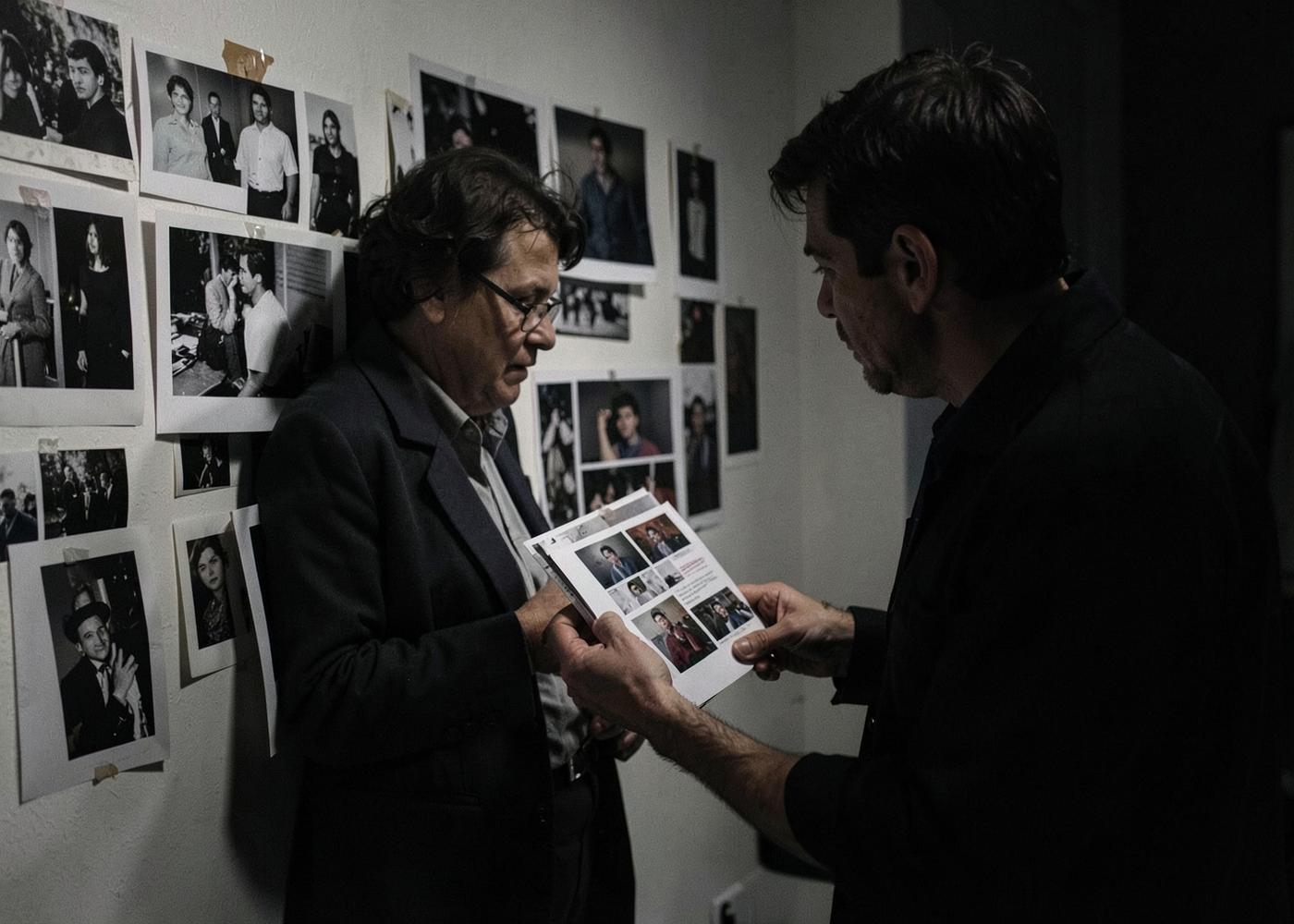
A strong editorial is not simply an inventory of successful single images; it is a coherent visual rhythm designed to be experienced over time. When photographers and creative directors complete a shoot, the instinct is often to select the sharpest frame from each setup and deliver them in the order they were shot. This mechanical approach weakens the narrative. Sequencing is the editorial discipline that transforms isolated photographs into a compelling body of work, guiding how the eye moves across facing pages or through a digital spread.
The opening frame carries the responsibility of setting atmospheric rules. Rather than defaulting to an obvious beauty crop or an informational full-length look, consider an establishing frame that introduces the light, texture, and psychological register of the story. Whether the setting is minimalist studio paper or a raw architectural interior, this initial image must plant the visual tension that subsequent pages will unpack. If your story relies heavily on structural silhouettes, establishing the environment early gives those garments context before you isolate their smaller components.
Once the atmosphere is established, pacing becomes a function of scale. Placing two consecutive full-length figures side by side flattens visual interest, forcing the viewer to compare garments as if reviewing a catalog. Similarly, pairing two tight crops creates claustrophobia and robs individual facial expressions of their weight. An effective sequence alternates focal distance: follow a wide silhouette with a detail shot of construction or an intimate profile, varying perspective as discussed in Lens Choice and Garment Proportion in Editorial Work. This fluctuation in proximity creates breathing room and allows the eye to reset between looks.
Color and tonal weight require the same calculated distribution. If your styling spans deep neutrals with occasional accents of saturated color, do not cluster the bold tones together in the middle simply because they share a palette. Disperse heavy dark garments and vibrant accents across the entire arc to maintain forward momentum. A spread dominated by high-key, luminous tones should rarely collide abruptly with an underexposed, dense interior unless that jarring transition serves an explicit thematic shift outlined in How to Build an Editorial Treatment That Works. Consistency in black point and color balance across adjacent frames is essential for maintaining unity.
Eye direction within the layout dictates how long a viewer lingers on the work. When subjects look out toward the outer trim of a page, they visually dismiss the audience from the spread. Whenever possible, align sightlines inward toward the center fold or diagonally down through the sequence. If a model in a left-hand image turns toward the right, the natural path of visual inquiry pulls directly across the gutter to the facing look. Counterbalancing movement and posture keeps the reader engaged in the internal logic of the series rather than skimming past it.
The final image in an editorial sequence must offer a definitive visual resolution rather than a casual trailing off. An effective concluding frame often pulls back, breaks eye contact with the camera, or presents a deliberate gesture of departure. Before finalizing your selects for an Editorial feature, print thumbnail contact sheets and arrange them physically in pairs, or assemble mock double-page spreads on your screen. Viewing images strictly in isolation will blind you to repetitive angles, competing focal points, and stagnant rhythms.
Whether you prepare a portfolio update or plan to Submit your work to publications, treat the sequence as a single creative piece. The quality of your editing—what you omit, what you pair, and how you pace the narrative—speaks as loudly as your lighting and styling choices.
Related Stories
All editorial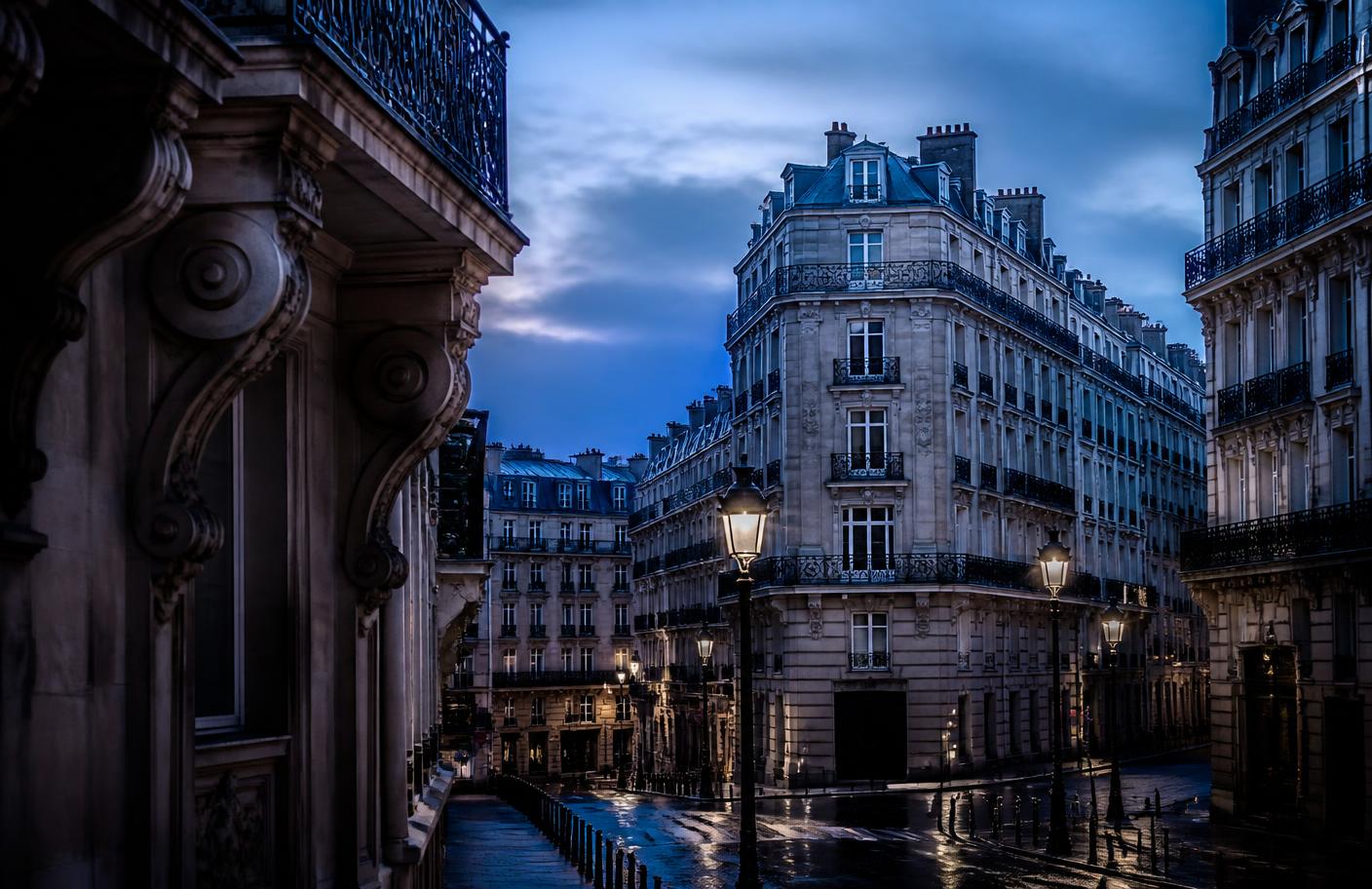
Creative Direction
Directing Movement on an Editorial Set
Learn how to direct physical tension, posture, and silhouette on an editorial set to create intentional movement that flatters both subject and garment.
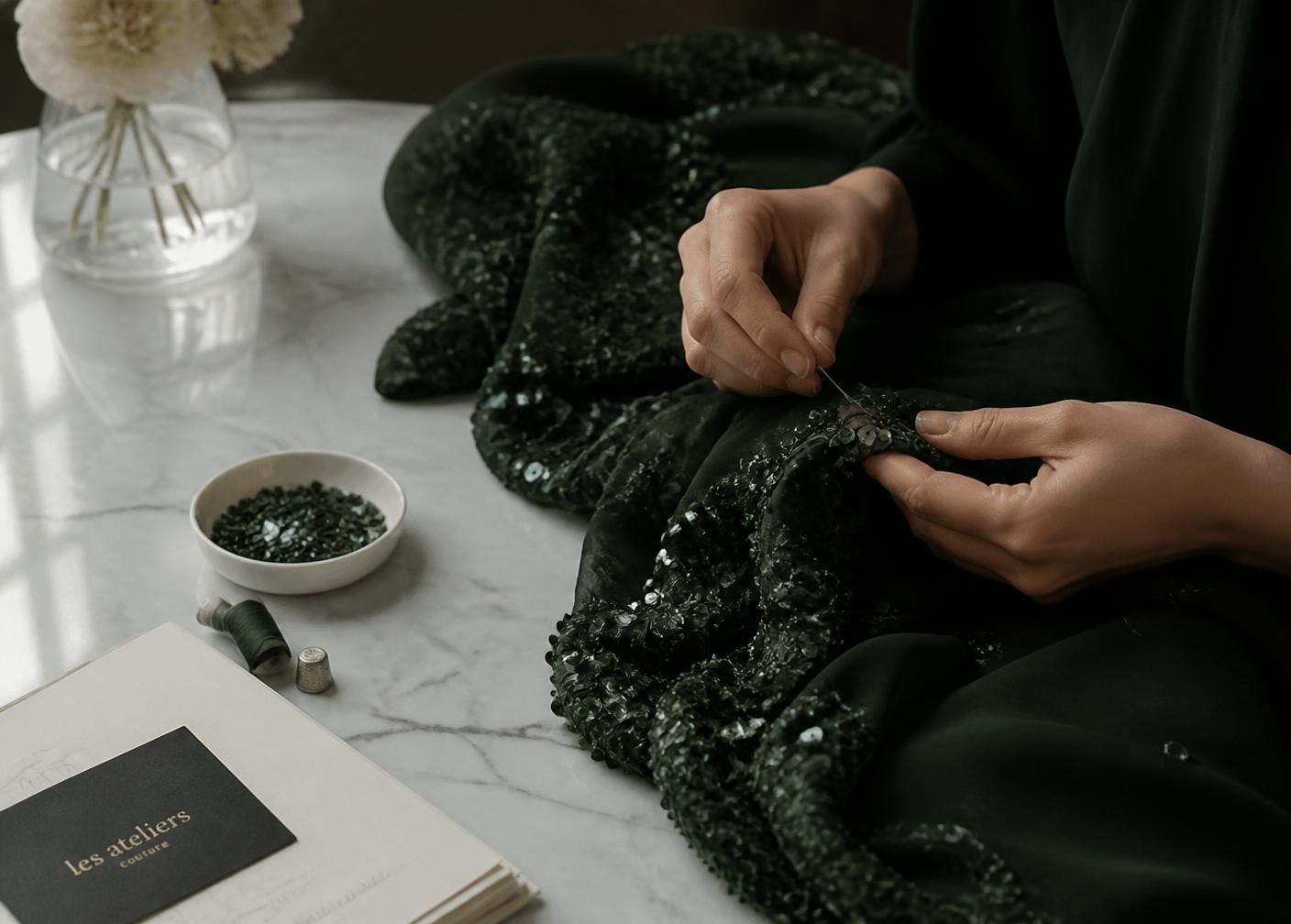
Creative Direction
How to Build an Editorial Call Sheet
A well-structured editorial call sheet protects the production schedule, sets clear crew expectations, and keeps shoot day moving without friction.
Creative Direction
How to Build an Editorial Treatment That Works
Practical advice for creative directors and photographers on structuring a concise treatment that keeps editorial teams aligned from prep to delivery.