Photography
Lighting High-Gloss and Technical Fabrics in the Studio
How to control specular highlights, preserve tailoring, and shape reflective textiles without washing out color or detail.
Words by XAVIE MAXIMUS Editorial · 25 September 2026
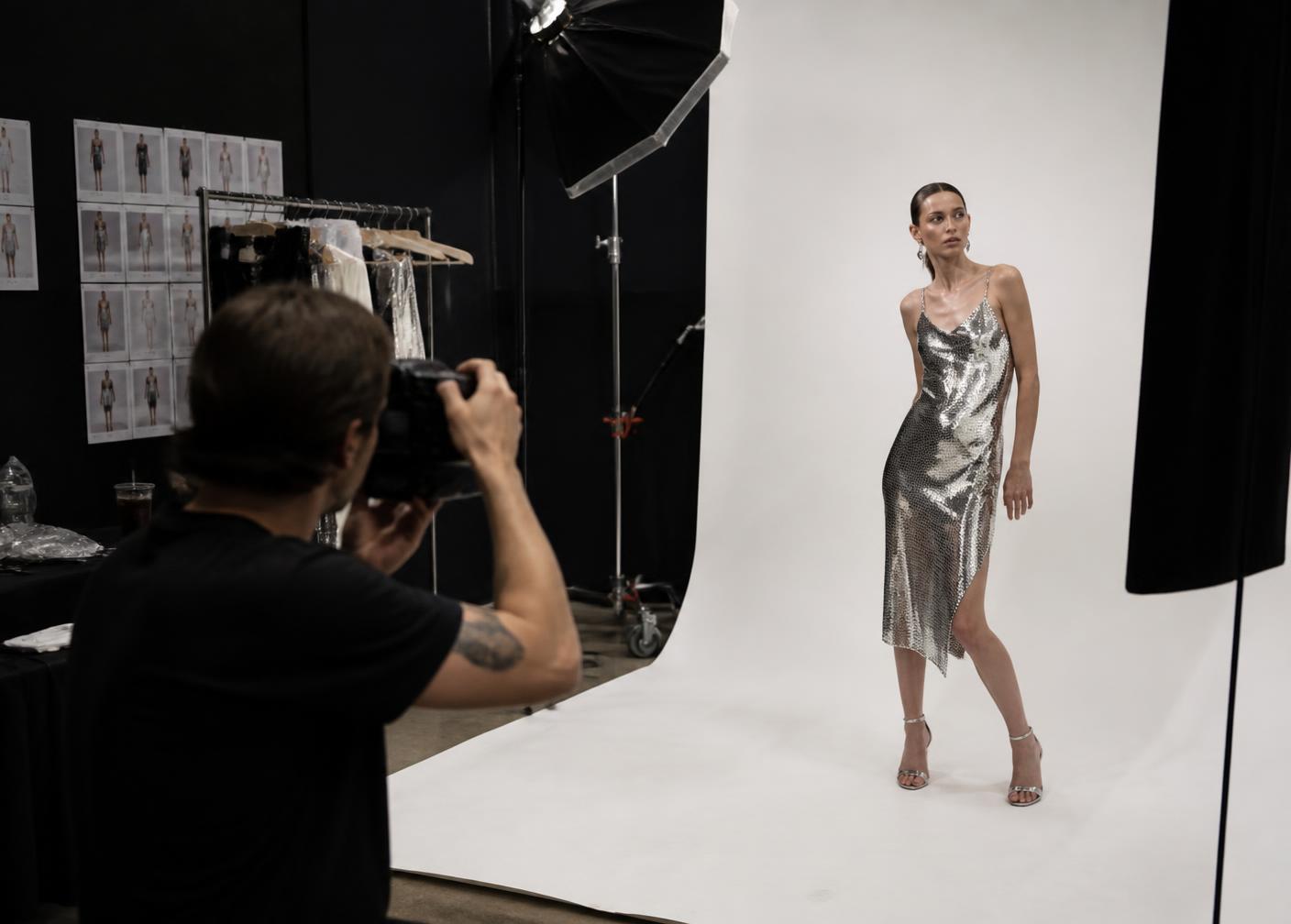
Technical outerwear, patent leather, polished satin, and coated polymers present a distinct challenge in editorial photography. Unlike matte wools, linens, or open-weave cottons, which scatter incident light across a broad hemisphere, glossy fabrics act as mirrors. They obey the law of specular reflection: the angle of incidence equals the angle of reflection. When a direct strobe strikes a lacquered trench coat or a wet-look synthetic dress, the camera does not record the garment's dyed pigment; it records the blinding white reflection of the flash tube. In an editorial story, an uncontrolled reflection destroys seamlines, washes out deliberate tailoring, and renders an expensive textile as cheap plastic.
Controlling these textiles requires rethinking the relationship between source size, surface curvature, and distance. Placing a small, hard modifier—such as an open standard reflector or a small beauty dish—directly facing a reflective garment produces tiny, pinprick hot spots bordered by dead black falloff. To bring out the rich depth and volume of a high-gloss surface, the source must be significantly larger than the garment itself. Large diffusion scrims, eight-foot overhead frames, or broad bounce walls create broad, gentle gradients across the fabric. Rather than a harsh white burst that erases structural darts and welt pockets, a broad surface produces a clean, continuous sheen that defines the drape and shape of the silhouette.
Modifier angle is just as critical as size. If the primary key light sits directly beside the camera lens, almost every frontal plane of a glossy garment bounces full-power light straight into the sensor. Moving the key light to a sharp three-quarter angle or feathering it so that only the soft edge of the beam grazes the subject prevents direct blinding glare. When lighting from an oblique angle, the specular highlight tracks the outer curve of the limb or torso, giving the figure three-dimensional separation from the backdrop without washing out the center of the garment. For additional shape and edge containment, working with solid black flags or boards alongside the key light cuts stray spill and introduces crisp boundary definitions, an approach explored in detail in our guide on Using Negative Fill to Shape Available Light.
Reflective fabrics mirror everything in the studio, not just your lighting modifiers. White walls, unpainted ceilings, silver light stands, and even the photographer's clothing will appear as ghosted shapes in broad panels of patent leather or latex. Building a dark tunnel around the subject using black v-flats or duvetyne fabric eliminates unwanted ambient reflections, allowing the photographer to paint specific, intentional highlights onto the garment. Stylists must also take extra precautions when steaming, pinning, or positioning coated garments on set; fingerprint oils, moisture smudges, and stray dust particles show immediately under glossy reflections. Keeping microfiber cloths on hand and respecting the garment handling protocols outlined in Managing Garment Samples on an Editorial Set ensures clean frames that do not require hours of corrective retouching.
Camera distance and focal length also alter the apparent behavior of specular highlights. A wide-angle lens placed close to the subject exaggerates curvature, which causes reflections to bend and distort across the garment. Conversely, a longer focal length used from further away compresses perspective, flattening the reflection and rendering gradients across the textile in a more disciplined, uniform line. Understanding how these optics intersect with fabric weight is essential, as detailed in our discussion of Lens Choice and Garment Proportion in Editorial Work. Monitoring these optical shifts in real time on a color-accurate display is vital; relying on a small camera back screen will obscure clipped highlight channels and lost fabric detail that can only be caught through disciplined Tethered Shooting and File Discipline on Location.
Ultimately, photographing reflective textiles is an exercise in restraint. The goal is never to eliminate highlights entirely—a glossy fabric without a highlight appears flat, chalky, and lifeless. The craft lies in designing the size, edge softness, and placement of the reflection so that it emphasizes the garment's construction, cut, and fluid motion rather than fighting against them.
Related Stories
All editorial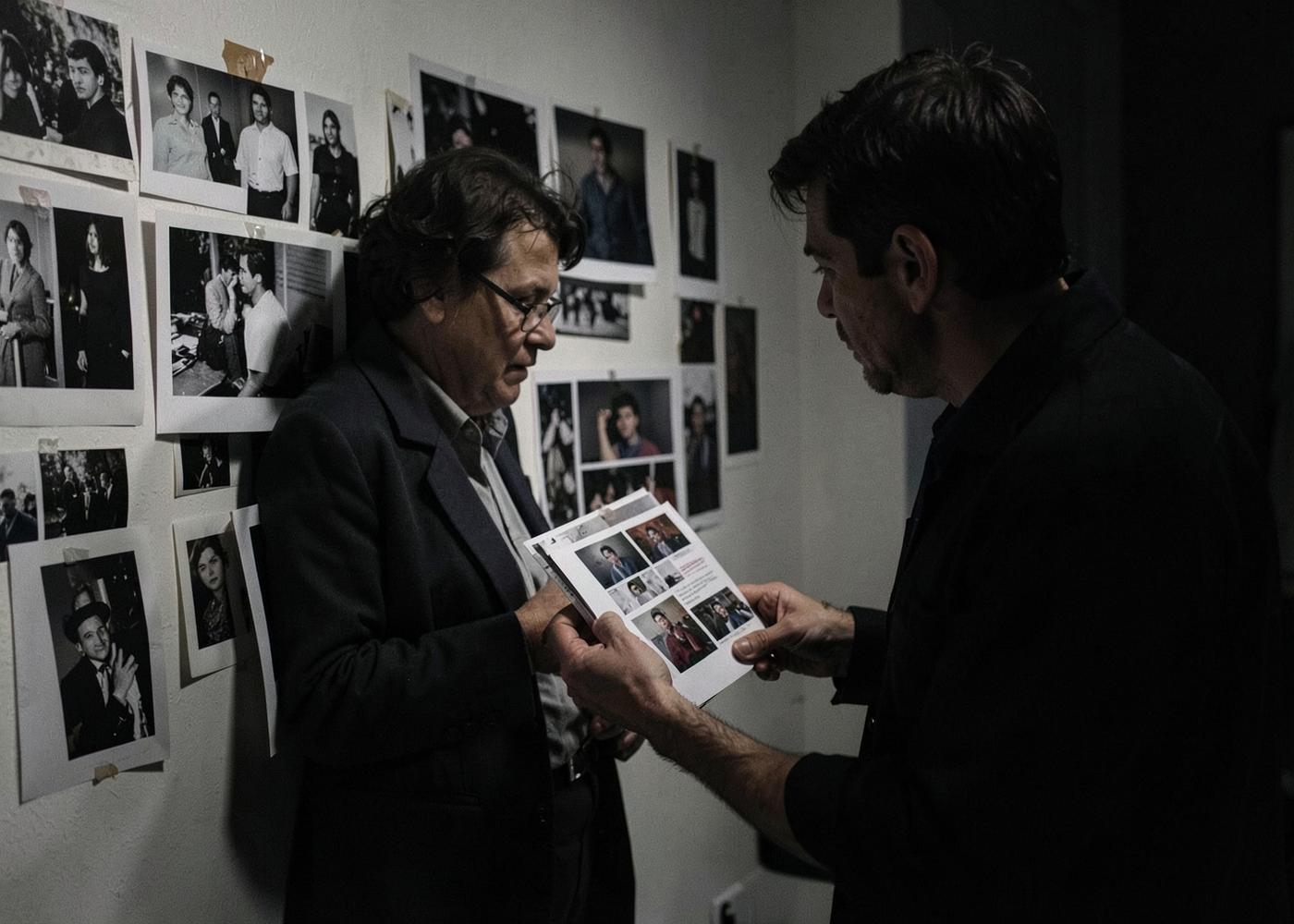
Photography
Lens Choice and Garment Proportion in Editorial Work
A practical guide to choosing focal lengths for fashion editorials to preserve silhouette accuracy and control spatial compression.
Photography
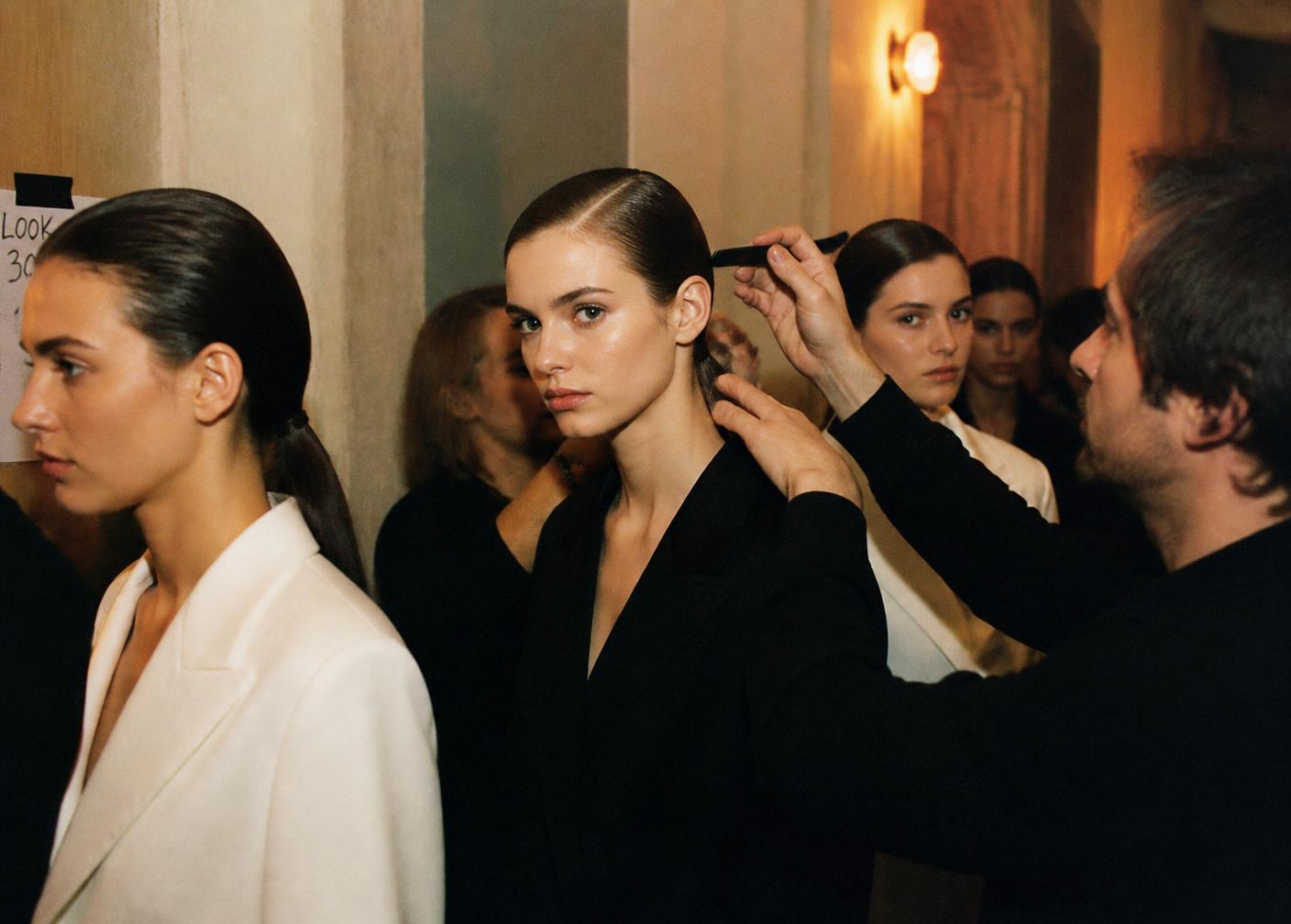
Using Negative Fill to Shape Available Light
Mastering negative fill on location allows editorial photographers to sculpt bone structure and preserve garment depth without battling ambient spill.
Photography
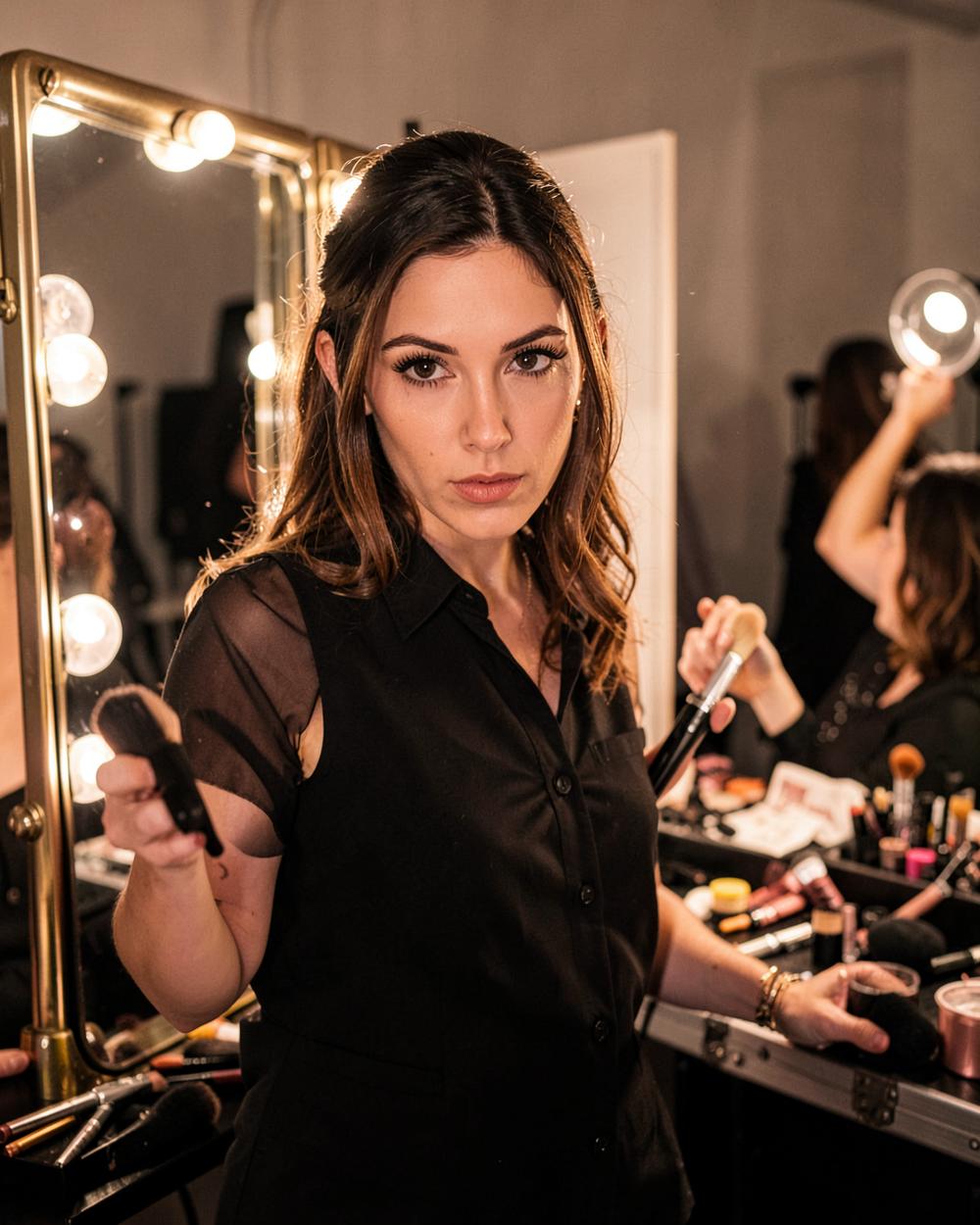
Tethered Shooting and File Discipline on Location
A practical guide to cable management, session structure, and on-set backup routines for location fashion photography.